
Why Hydraulic Breaker Hits Slow: 4 Causes & Quick Fixes
Introduction
Have you ever encountered an excavator operating with the hydraulic breaker hammering away, yet something seems amiss during demolition? The frequency of impacts decreases, efficiency slows, and fuel usage increases. It is a frequent issue reported by supervisors on mining, quarrying, and construction sites.
The good news: in most cases, you can identify the cause on-site without disassembly and prevent further damage.
What Does “Hydraulic Breaker Hits Slow” Actually Mean?
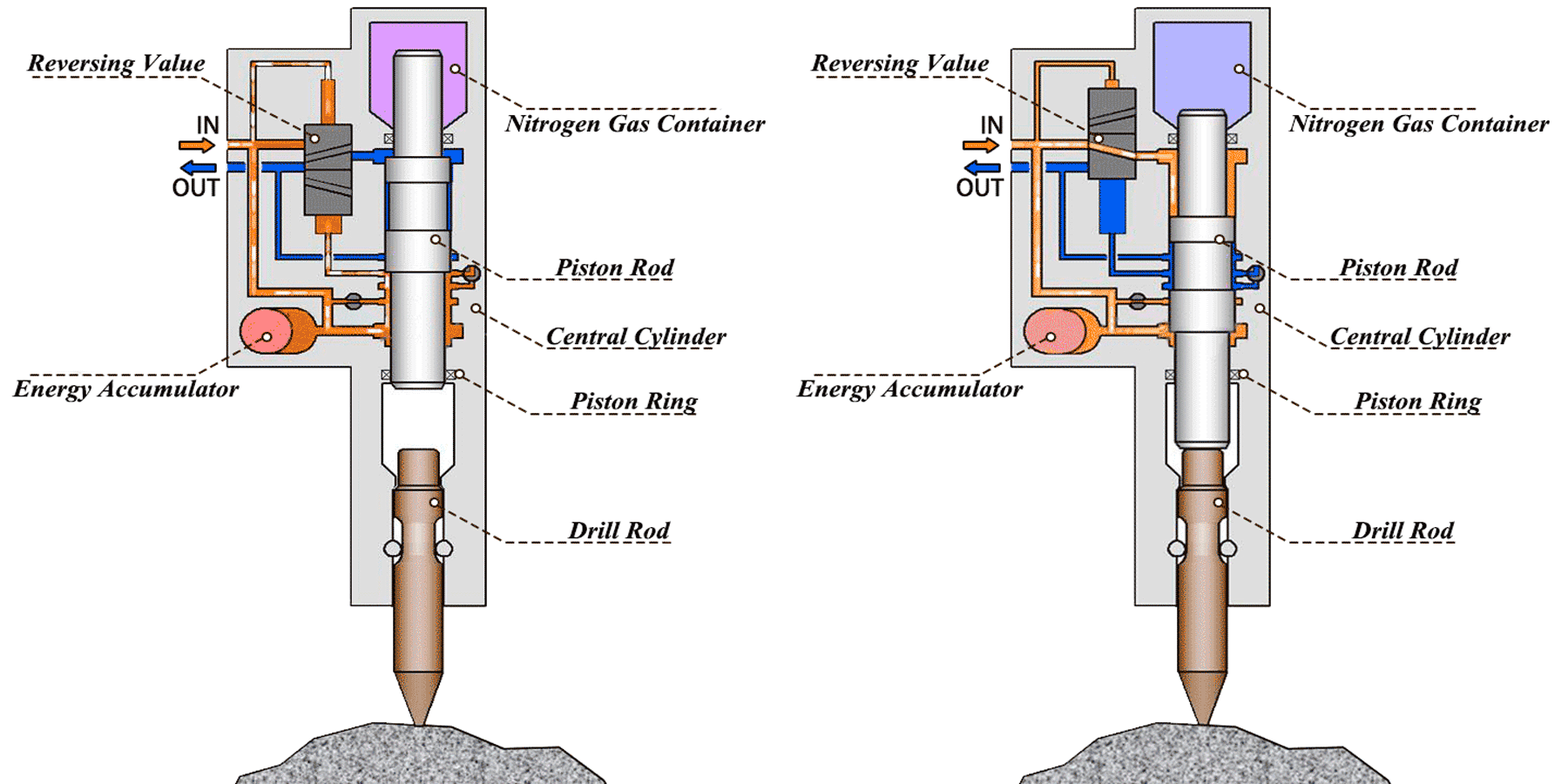
In simple terms, a hydraulic breaker relies on oil flow and nitrogen gas pressure to rapidly drive a piston up and down. If either oil flow is insufficient or pressure balance is disrupted, the piston cycle slows—resulting in fewer blows per minute.
4 Most Common Causes of Slow Hydraulic Breaker Impact Frequency
1. Insufficient Hydraulic Oil Flow
Condition:
Insufficient hydraulic fluid flow rate will prevent the hydraulic breaker’s impact progress from hitting the full stroke and impact capacity of an excavator.
Example:
An excavating contractor in Jakarta, Indonesia, experienced numerous problems with their hydraulic breakers, stating that they did not operate properly after using two different excavator attachment types without resetting the hydraulic fluid flow-rate parameters.
Keypoint:
Hydraulic hammers are highly sensitive to the excavator’s hydraulic system flow rate (L/min) and working pressure; both are critical to the machine’s ability to deliver an appropriately sized impact. Therefore, when working on a job where an excavator is used to process large, heavy materials or break through hard surfaces, a malfunction will greatly diminish the excavator’s hydraulic breaker’s efficiency and effectiveness by delaying the delivery of the necessary impact energy.
2. Incorrect Nitrogen Pressure
Condition:
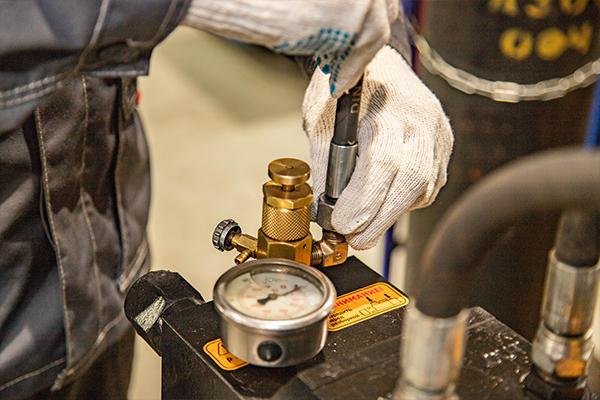
Low nitrogen pressure = weak rebound force
High setting pressure = restricted piston movement
Example:
In the last five years, we have seen 47 similar failures in which operators skipped periodic nitrogen checks on their equipment, particularly in high-temperature regions such as the Middle East.
Keypoint:
Nitrogen gas actually works as an energy buffer, and the pressure should be correct because it directly affects the frequency of strikes.
3. Hydraulic Oil Contamination or Overheating
Condition:
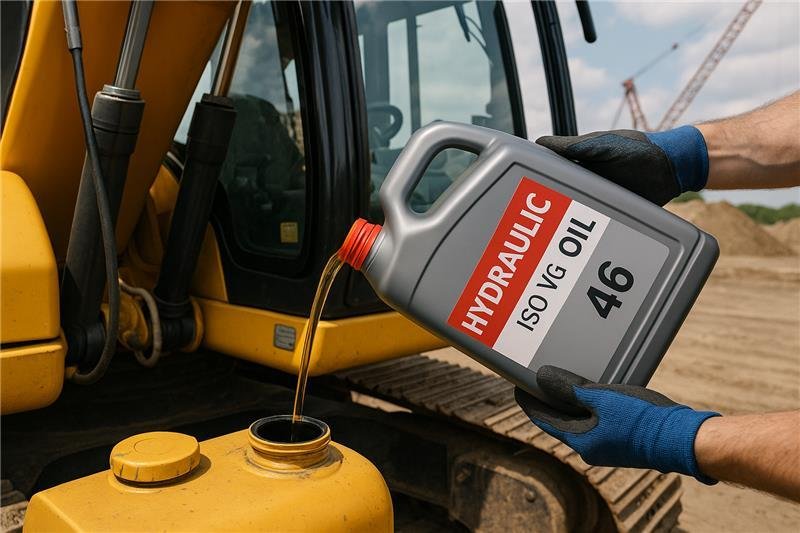
If the oil in the excavator’s hydraulic system is dirty or overheated, its viscosity will decrease. As a result, poor energy transfer will appear. Certainly, the full piston movement cycle will take more time.
Example:
Due to continuous mining and quarrying operations, which typically run continuously for 12 hours each day, hydraulic oil can reach temperatures as high as 85 °C. Not only does the excavator’s hydraulic breaker’s efficiency decline, but it can also accelerate wear and tear on critical components, potentially resulting in additional costly repairs and downtime.
Keypoint:
Performance issues usually occur at temperatures of 85 °C+. While excavator hydraulic systems operate most efficiently at 85 °C or higher, it is very important to keep the hydraulic oil below this critical limit to ensure smooth, effective operation throughout the extended work period. Additionally, the quality of the excavator’s hydraulic system oil will directly affect the lifespan of the internal seals and the speed at which the piston moves throughout its cycle.
4. Control Valve or Internal Wear
Condition:
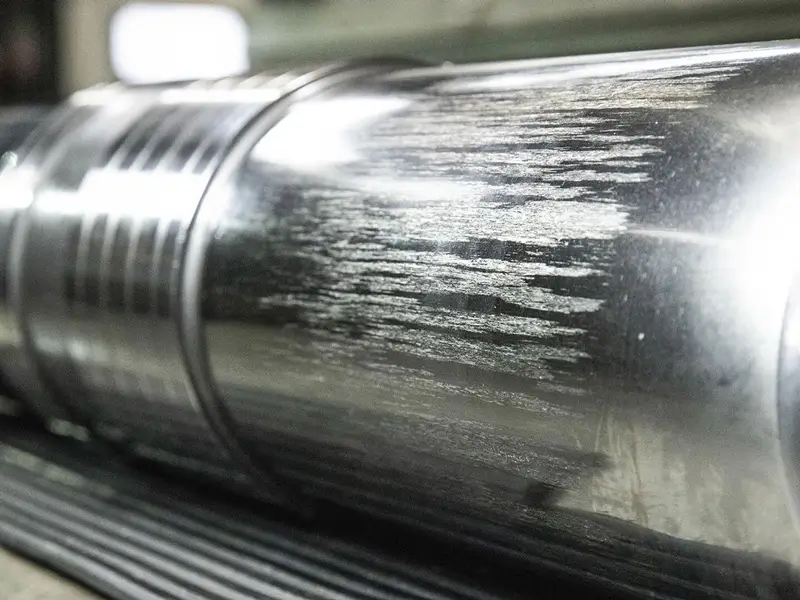
Abrasion on the inner bushing, piston, and seal kits will cause internal leakage, reducing effective pressure.
Example:
According to our statistics, internal leakage is among the top 3 root causes in hydraulic breakers we’ve repaired with 2,000 or more hours of operation.
Keypoint:
This is the only cause that may require teardown, but symptoms can be detected early.
Hydraulic Breaker Self-Inspection Checklist (No Disassembly Required)
Follow these steps before calling for service:
- Check the hydraulic oil level and condition.
- Watch out for discolouration or a burnt smell
- Ensure oil is within the recommended range
- Measure the N2 container pressure.
- Use a standard nitrogen gauge kit
- Compare with manufacturer specs (typically 14–18 bar for mid-size breakers)
- Inspect hydraulic hoses and connections.
- Look for leaks, kinks, or loose fittings
- Ensure that all the hydraulic hoses are not jammed
- Check excavator flow settings.
- Match the excavator oil flow with hydraulic breaker requirements (not bucket settings)
- Check if the flow control valve is properly adjusted
- Observe working behaviour.
- Is the hydraulic breaker hesitating?
- Is the impact frequency regular or consistently slow?
Best Practices for Preventive Maintenance
If you are dealing with repeated slow-moving issues, here are five ways to resolve them by implementing a proactive maintenance plan:
1. Follow Standardised Oil Specifications
Ensure the oil quality in the hydraulic system is compliant with the minimum requirements of JB/T 13011-2017 or equivalent ISO standards for the intended application. Besides, it includes replacing hydraulic fluids every 2000-3000 working hours, depending on the demolition project’s working conditions.
2. Keep Proper Nitrogen Pressure
It is essential for excavator operators to periodically monitor nitrogen pressure levels (at least once every 300-350 working hours of operation) to ensure sufficient nitrogen pressure is available for the successful operation of hydraulic breakers.
3. Follow Daily Greasing Schedule
Hydraulic breaker equipment should be greased every 2-4 hours during operation. Daily greasing can help prevent piston drag, cylinder bushing degradation, and related issues.
4. Match the right hydraulic breaker with the excavator settings
Mismatching hydraulic breakers with excavators remains a recurring issue among our customers in international markets, particularly in Africa and South America. All hydraulic breakers should have matching compatibility in terms of:
- Operating Oil Pressure Range to Hydraulic Breaker
- Operating Oil Flow Rate Required for Hydraulic Breakers
- N2 Gas Pressure Range Limit for Proper Operation of Hydraulic Breakers
5. Schedule Periodic Maintenance Inspection
Follow the manufacturer’s operation manual for periodic maintenance inspections based on usage hours (approximately):
- Minor Inspections: Every 500 Operating Hours
- Every 1000 Operating Hours
FAQ
Q1: Why is my hydraulic breaker hitting but very weak?
A: The most common reason is low nitrogen pressure or insufficient oil flow.
Q2: How often should I check nitrogen pressure?
A: Every 300-350 working hours or when performance drops.
Q3: Can dirty oil cause slow impact frequency?
A: Yes. Contaminated oil reduces efficiency and increases internal wear.
Q4: Do I need to disassemble my hydraulic breaker to diagnose the issues?
A: Depends on the specific circumstances. Experienced engineers can identify most causes through external inspection.
Conclusion: Act Early to Avoid Major Downtime
An inefficient hydraulic breaker is more than just a small inconvenience. It is an early warning sign of other issues, such as seal failure, piston damage, and costly downtime. If simple checks and a periodic maintenance inspection are scheduled early, restoring hydraulic breaker performance usually takes only a few minutes